EPISODE 138
The Development of the Living and Learning Enrichment Center
– An Innovative Neuro-Affirming Community,
with Rachelle Vartanian.
The Development of the Living and Learning Enrichment Center
– An Innovative Neuro-Affirming Community,
with Rachelle Vartanian.
Play the Episode…
Show Notes
Rachelle Vartanian is the Founder and President of the Living and Learning Enrichment Center, a community that supports neurodivergent individuals and their families in many ways. She began her journey as a special education teacher, and then as a parent, who now has as an adult son on the autism spectrum. These experiences have allowed her to clearly see the priorities that are needed to support individuals like her son and others, and she, Barry and Dave discuss her journey and her innovative center.
Learn More About The Living and Learning Enrichment Center
Learn about their Programs
Follow them on Facebook
Follow them on Instagram
Featuring
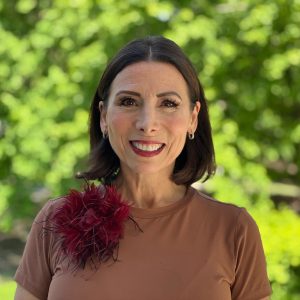
Rachelle Vartanian
Rachelle Vartanian is the Founder and President of Living and Learning Enrichment Center, a nonprofit organization in Michigan providing a broad range of resources and support services to individuals with disabilities and their families across 12 southeast Michigan counties. Since 2015, the agency has partnered with more than a hundred area businesses and organizations to provide access to inclusive employment skill-building opportunities and meaningful job placement support. Rachelle’s oversight includes the organization’s clinical intervention services, social- and life skill-building programs, a social enterprise artist market, a 12-acre agricultural micro-business homestead, and parent/caregiver support initiatives. In 2024, Living and Learning Enrichment Center received the Dr. Dawn Gallup Honor from the Michigan Council of Exceptional Children. In 2025, Rachelle was proudly named the City of Northville’s Citizen of the Year and was appointed by Governor Whitmer to serve on the Michigan Autism Council.
Uniquely Human: The Podcast
EPISODE 138 – August 15th. 2025
The Development of the Living and Learning Enrichment Center – An Innovative Neuro-Affirming Community, with Rachelle Vartanian.
🎙️ Transcript and Audio Usage Disclaimer
© 2025 Uniquely Human: The Podcast. All Rights Reserved.
The contents of this podcast, including all audio recordings, transcripts, and related materials, are the intellectual property of Uniquely Human: The Podcast and its fiscal sponsor, Community Autism Resources, a registered 501(c)(3) nonprofit organization.
These materials are provided solely for personal, educational, and non-commercial use.
No portion of the podcast audio, transcript, or any derivative materials may be reproduced, redistributed, modified, or publicly displayed without prior written consent from Uniquely Human: The Podcast or its authorized representatives.
Transcripts are provided for accessibility and reference purposes. They may contain minor transcription or formatting errors. When quoting or referencing the podcast, please credit Uniquely Human: The Podcast and provide a link to the original episode page.
By accessing or downloading transcripts, you agree to comply with this usage policy and acknowledge that all copyrights, trademarks, and intellectual property rights remain the exclusive property of Uniquely Human: The Podcast and its creators.
For permissions or inquiries, please contact:
📧 uniquelyhumanpodcast@gmail.com
Introduction
[00:00:00] UHP: The primary purpose of Uniquely Human: The Podcast is to educate and inform the views expressed during all episodes are solely those of the individuals involved and do not constitute educational or medical advice. Listeners should consult with professionals familiar with each individual, or family for specific guidance.
Uniquely Human: The Podcast is produced by Elevated Studio. Music is graciously provided by Matt Savage of Savage Records.
[00:00:39] Barry: Hi, I’m Dr. Barry Prizant, clinical scholar, researcher and consultant on Autism and Neurodiversity, and a Brooklyn boy raised in the big city.
[00:00:50] Dave: And I’m Dave. I’m none of those things, and I grew up on a farm in Illinois. But being on the spectrum myself, I have plenty of personal insight to lend.
[00:00:59] Barry: And this is Uniquely Human: The Podcast , a show that illuminates and celebrates autism and neurodiversity.
Rachelle’s Journey and Advocacy
[00:01:14] Barry: Today on Uniquely Human: The Podcast, we have a very special guest who’s done some very special things. In her life, and we’re going to dig in on that. And so welcome Rachelle Vartanian to our podcast.
[00:01:28] Rachelle: Thank you. Thank you for having me.
[00:01:29] Barry: It is our pleasure. So a little bit about Rachelle, actually a lot that we’re gonna dig in on.
Rachelle Vartanian is the founder and president of Living and Learning Enrichment Center, a nonprofit organization in Michigan that provides a broad range of resources. And support services to individuals with disabilities and their families across 12 southeast Michigan counties. That’s a lot of acreage there.
My goodness. Since 2015, the agency has partnered with more than a hundred area businesses and organizations to provide access to inclusive employment, skill building opportunities, and meaningful job placement support. Rachelle’s Oversight includes the organization’s clinical intervention services, social and life skill building programs, a social enterprise artist market.
A 12 acre agricultural micro business homestead and parent caregiver support initiatives. in 2024, all of these achievements were recognized in the living and learning enrichment Center. Received the Dr. Dawn Gallup, honor from the Michigan Council of Exceptional Children and Rachelle herself this past year has was the proudly named the City of Norville, citizen of the Year.
Wow. That’s fabulous. And was appointed by Governor Whitmer, who we all love to serve on the Michigan Autism Council, what else could we say? Dave, any comments on that?
[00:03:04] Dave: is there anything you haven’t done?
[00:03:06] Rachelle: Yeah.
[00:03:08] Dave: Do you play the piano?
[00:03:09] Rachelle: No, I don’t.
[00:03:12] Barry: And I was actually gonna say, so with you are the one human has figured out a way to have 48 hours for every day, right?
[00:03:19] Dave: Seriously? I’m starting to feel, as you were reading through the credentials. It’s like I started to feel worse and worse about myself.
[00:03:26] Rachelle: Oh my God. Don’t stop man.
[00:03:27] Dave: I don’t do anything.
[00:03:30] Barry: But I think a special part of your story is that, your journey began as a parent. And we know many parents who tell their stories of their whole life changing and the way your life has changed has just been amazing.
Starting Living and Learning Enrichment Center
[00:03:46] Barry: So tell us a little bit about your journey leading to this level of advocacy and the development of a phenomenal center.
[00:03:55] Rachelle: Oh, thank you. So I, before this life, I was a special ed teacher for 20 years. But I worked with kids that had severe behavioral issues. So right outta college, I worked at a lockup facility for adjudicated youth.
And that was my passion. I was on board. I went back on a master’s in ed psych ’cause I wanted to help women prisoners reunite with their kids. But God had a different plan for me. My youngest son was diagnosed with what they then called Asperger’s Syndrome. and it’s what he prefers to be labeled as.
I guess he doesn’t like autism one or level one. he says that Asperger’s. Is, he identifies I guess more with it, but, when he was younger, I could see some things were a little different, a little harder for him. And, when he was diagnosed, I’d never heard the word Asperger’s. Here. I, a special ed teacher, and I’ve never heard this word . Of course, as I’m learning more about it, I am, as a parent freaking out thinking, oh my God, this is, gonna be a hard journey. And what ended up happening right around then is I was transferred to a high school, still working with that same population of people, but they didn’t know what to do with the people with higher functioning autism.
So they were putting ’em in my classroom and it was so inappropriate. our kids are. Quirky sometimes, and they’re walking targets to be bullied. And now they’re in a classroom with kids with severe behavioral issues. And what went on was I kept thinking, my son’s never gonna survive this. If this is his road and you know where he is gonna end up, there’s no way he’ll be able to survive this.
So I decided, okay, I’m gonna go back to school and get a second Master’s in autism so I can. The best I can advocate for him and Know as much as I can about this. I’m lucky away these classes. I’m, I got divorced and I’m teaching full-time. I’m trying to raise my boys and, during this time, my son, my other son.
Was exact opposite. he was, president of this. Every girl loved him. He is invited to everything. And my, and then my son with Asperger’s is seeing this, and it was just such a painful, right? And so I started a program where every Sunday I rented a room out of the library and I just said it’s gonna be a friendship class or whatever. My goal was to help them have friendships with each other. invite each other to their birthdays and go out on social outings with them. And, it grew. I started thinking to myself, I can keep doing what I’m doing right now. I know that when my son gets done with school, he’s gonna be like, every student I’ve worked with, whose parent is now telling me years later that they’re in the bus, they’re in the basement living, playing video games, and I don’t have a lot of family, and I kept thinking, if I die, he’s gonna be homeless.
So I took a really big leap of faith. Thank God it worked. I quit my job and I had a beautiful home. My ex-husband I had built, and I sold it and I moved us into a home I was so ashamed of, but with the money, I was able to start living and learning. Now it’s 10 years later, it’s this great story that we survived this and look what happened.
But at the time, no one knew that this was what was going on, but I opened the doors in 2015 and I just did the same thing. I wanted a program, again, I’m going into it because I’m, I gotta figure this out what’s gonna happen when I die.
But to start, I did a Friday night hangout where it was the same thing as the library classes where we’re making friends, we’re eating pizza, we’re going out, help, helping them form relationships. And that grew. And then, added a Saturday night. Started adding, I started asking them like, what, what do you love to do? I love Dungeons and Dragons. I formed a Dungeons and Dragons Club. I love birdwatching. I formed a birdwatching club. ComicCon. I, that’s what I did.
And it just grew and then, I am looking at them, and it was always for young adults, teens and, adults, and I started thinking, okay, whatever this looks like for this independent living piece, I have to help them work.
The spectrum is wide. So I had some people that were ready for jobs and it was just me so running around trying to help and support them get jobs. And then I had a even bigger population of people that needed maybe more vocational support to get them. Into jobs. So I started that and we just started growing and, now it’s 10 years later, yeah.
[00:08:43] Dave: But it started with a need, your observation and your, conviction to the idea, like you said, that was not a house you wanted to move into. But when you, look at it and you say, okay, priorities here, what are. What are my priorities for my family?
[00:09:01] Rachelle: Yeah.
[00:09:02] Dave: and, what do I know I can roll up my sleeve and do right now?
[00:09:07] Rachelle: And, fear. Like I said, I don’t have a lot of family and I just kept thinking. And I didn’t, and I didn’t want the, and I hate saying burden, but I didn’t want it on my other son either. It’s I want you both to have great lives and, at that point too, I didn’t know, he’s a lot like he drives now, my son, he’s 24, he drives, he’s got a full-time job.
At that time though, I didn’t know where he was. Is he gonna get a certificate? Completion is, I didn’t know. And. putting his business out there a little bit. He was, he did have some behavioral issues. He was like hacking. He was, there was a lot going on and, thank God we, he grew out of it.
It took a long time, but, he is a good human being now. He’s got a good heart and, I didn’t, I wondered if he had empathy at some, at one point in his life. It, he does. we went through a lot of pain.
[00:10:05] Dave: It’s that conflation of factors of not only, maybe you’ve got a kiddo on the spectrum, you’ve also got a teen.
And you’ve got a teen who has seen injustices and can’t quite reconcile those. ,
Community Impact and Success Stories
[00:10:20] Barry: What’s really interesting to me is how. You didn’t begin. And we know some people, and Dave and I were involved in a center that never developed. Yeah. you didn’t begin with this big, grand vision.
You began, as Dave just said, with some immediate needs. And I, what I’m particularly fascinated by, because I, truly believe, and I, and you’ve done it, is. And many people say it now, this is not novel, but that it comes down to community, it comes down to community of understanding and support.
But you didn’t start by saying, I’m gonna develop a community.
[00:10:57] Rachelle: Yeah.
[00:10:57] Barry: But it evolved.
[00:10:59] Rachelle: It did. And the one thing I kept thinking is it might not be this generation, but. as much as I was doing for these young people, it was also gonna help the community. I kept thinking that the more I push this in their face, like the more comfortable, more accepting, and pretty much all of us know someone that has autism, right?
And so I’m knowing, at this time it’s becoming more prevalent. this has gotta be happening.
[00:11:30] Barry: that’s absolutely amazing.
[00:11:33] Rachelle: oh, thanks.
[00:11:33] Barry: And, we could probably, or you could probably write a book on the specifics of how it developed, but, if, we could talk about many of the unique facets of, what you do.
I think we all are aware of programs that focus on. One aspect may be development of artistic abilities and helping people to show their talents and earn from their talents. Or maybe, have something having to do with agriculture. But you’ve done Yeah, so many of this, I’m gonna begin with kind of an interesting little question here.
Yeah. What are you most, what are you most proud of in terms of the services that you provide?
[00:12:14] Rachelle: Oh God. That’s such a good question. ’cause we do a lot here. You know what I’m most proud of is the relationships that they have with each other now and with us too. I saw the loneliness.
I saw the isolation, and. I worked really hard even with the people that work here to make the culture here such a great place. And I think out of everything, I, the people that work here are happy, the community’s happy, the families are happy, and the people that come here, I don’t know where we came up with this that like they get the least, when I taught special education, it was always, you’re in the back of the building, right? Here’s, no one wants these tables. Take them. I really worked hard to try to change that. We’re in a, we’re in a place. I’m, you have to come see this. It’s like Camelot here. We are on 14 acres. It is absolute. We’ve had 10 weddings on this property. It is beautiful. My goodness. And that’s what I want people to change that perception. They are our most vulnerable people. They deserve the best, the most. Wow. And, and I’m in the city, we’re in, it is the most, it’s one of the most beautiful cities in Michigan.
It was a miracle that this all happened, but I know when I’m giving families tours, they’re like, oh my God. we have alpacas and chickens and bunnies, and we have a beef farm and a farmer’s market. it’s this is what it, this is how it should be everywhere.
[00:13:44] Dave: Where, are you in Michigan, by the way?
[00:13:45] Rachelle: I’m literally on the border of Northville and Novi.
[00:13:50] Dave: I’m familiar with Novi, so I should have been familiar with what Border is it, but Okay.
[00:13:54] Rachelle: Yeah, we’re on Eight Mile Road. You are in, are you real familiar? Are you real familiar with Novi or just a little?
[00:14:00] Dave: No, I just know that it exists.
But, I spent a lot of time more on the southwest side of Michigan and the whole, state is gorgeous from Traverse City to detroit to, the West. . I just, I think what you’re describing is in a, an amazing setting where people can, not only be who they are, be with community, but be in nature.
[00:14:20] Rachelle: Yeah. It is. It’s, I, honestly, we got a unicorn here. We are, like I said, 14 acres of this pristine prop property, but we’re in the heart of the city, so everything’s walkable. Little stores everywhere. Oh, that’s perfect. Coffee shops, which is one of the biggest things I wanted. ‘Cause most of my people don’t drive, And so this just, it’s perfect.
[00:14:43] Barry: That’s great. Yeah. Dave, we’re gonna have to visit, I think
[00:14:46] Rachelle: you have to visit. Yeah.
[00:14:50] Barry: The, something you said I think really needs to be a meme or a quote that goes out there. It says something like, too often we are offered the least, but we deserve the best.
[00:15:02] Rachelle: Yeah,
[00:15:03] Barry: Yeah. it’s so true. and that’s, that’s a tall order. but you realize that. The other thing I loved what you just said was you’re most proud of the relationships.
Yeah. Whereas I was trying to steer you towards which program, but the relationships circumvent all of your programs.
[00:15:22] Rachelle: Yeah, it does. we to be happy, right? I can get you a job. Does that gonna make you happy? You have to be able to have relationships with people.
Employment and Vocational Support
[00:15:34] Barry: Wow. And, okay. Yeah.
Employment’s important, but employment and being happy in employment.
It’s above that.
[00:15:43] Rachelle: Yeah.
[00:15:44] Dave: And not only that, but this might sound a little more on the cynical side, but just having the ability to cultivate and find meaning in relationships that maybe you don’t even choose only helps you in the workplace.
A workplace setting is, guess what? You’re gonna be working with this team. It’s I didn’t pick ’em, but, okay. and, your quality of life, if you’re spending eight hours. With people every day in close proximity and under different stakes with them. You develop these relationships.
[00:16:16] Rachelle: Exactly. The, you know this, excuse me, this little program that I started for jobs, right? It’s grown so much. We now have a job development where all we do is get paying jobs for people, and I wanna say they’ve placed. Close to 200 people and paying jobs. And what I love about this is that they don’t just, oh, here’s a cleaning job.
They really work hard to find, what do you love to do? So one of the jobs I got in my son yes, was he, his, I was telling you computers, they got him a job at a company that contracted with TikTok and all day he flagged inappropriate videos. Like they really work hard to we just got a job for a young man to ride the Zamboni at, the hockey place down the street.
So we really work hard to get you a job that you know you’re gonna going to, and then. If you need more support, we have our vocational program, which is definitely our biggest, there’s 200 people in it. I know there’s like a two year waiting list to get in it, and we partner with 120 businesses in the community.
So every day they’re going to these different jobs and experiencing what it, what it. Feels like to work here. And then hopefully you’ll find this is where I wanna be. And it’s okay if you don’t, if you wanna just stay doing, vocational, that’s okay. And then we’ve got one that for more support where they’re on the farm half the day, and then the community the other half.
And then if you need even more support, we’ve got a, building here where it’s a house and either doing a lot of life skills, but they’re still in the community for short periods of time. you know that spectrum is. And that was a hard thing to navigate too. Who am I helping? Is gonna be the people that are, need the least most, independent or your people that needed the most support.
So we, we’re helping all of them trying to, wow.
[00:18:02] Barry: one, one thing that I’m, so excited about hearing from you is that, very relatively early on, almost 20 years ago, we used to. Develop fundraising conferences for a parent retreat weekend that we’ve been doing now for 27 years.
Oh wow. and the theme of the conference was developing interests, strengths, and talents for people on the spectrum, which could lead to employment or to hobbies or leisure activities or whatever. But that’s exactly what you do. You listen to. Yeah. People in your community, what do you like to do?
And let’s look at the possible roads that we could support you going on, doing what you like to do, which may lead to employment, which may, and that’s, it’s so difficult to hear of even well-intended efforts to help people have successful, productive lives, but they’re in the wrong place to have a successful, productive life.
[00:19:00] Rachelle: Exactly. We work really hard to do that. And, you’re happier. When you’re happy. You’re gonna work harder too,
[00:19:07] Barry: Absolutely. Yeah
Artisan Market and Job Training
[00:19:28] Barry: . So I’m curious about, one of the things that we have somewhat focused on, the podcast and certainly in, in my work and Dave’s work, is the everything from the performing arts to expressive arts. So I’m interested in the artist’s market. Tell us about that.
[00:19:29] Rachelle: So the, when I first started, I, I got this little storefront and this is where I started working out of, and then, we outgrew, it moved, but we kept that little storefront and we turned it into an.
Artisan market, it’s called Mod Market. It doesn’t stand for anything, but 50% of the artists have some type of special need. The other 50% local artists, but they all get the same percentage. When they’re art sells, they get the same percentage. It’s also a job training site. I think I have five people that work there that get paychecks.
Now they’re on, payroll. But, what I really, again, you know where I was saying. I don’t want, I don’t wanna be in the basement of a YMCA or a library. This store is so beautiful. If you walked in, you would never go, oh, there’s people here. the art is beautiful, the store is beautiful.
I want people to feel proud, this is where I work. This is, I’m shopping here. I’m not shopping here to do you guys a favor. ’cause there’s an artist here. Special needs, I’m gonna, no, I genuinely love this piece of art. I wanna buy it. Yeah. And that’s been my mindset with it. And it’s in the, like I said, it’s in downtown Northville and the community has just embraced it.
[00:20:39] Barry: Wow.
[00:20:40] Rachelle: Yeah.
[00:20:40] Barry: And beautiful art needs to be in a beautiful place.
[00:20:43] Rachelle: Exactly. Yeah.
[00:20:45] Dave: That’s just it too. It’s, beautiful art. It’s not, it doesn’t have this asterisk on it where it’s oh, be philanthropic and support this artist. It’s Yes. This artist has the goods. You want to know about this artist.
Art and Autism: A Healing Connection
[00:20:59] Rachelle: Exactly. Yeah. One of the artists, I’m not gonna say his name just ’cause they wouldn’t want me to, but, he’s, he is a savant. I’ve only met one in my life. He is a true savant. And, when I met him, about five years ago. He came, I was just trying to do anything I could for business.
So I would go to schools, you wanna have a field trip here, did everything. And he came in and I’m gonna be honest, he said to me, I’m an artist. And I went, oh you are, you’re an artist. Looking back, oh my gosh. But he shows me his phone. I’m going, holy smokes, you are an artist.
And I said to him. I’m gonna help you sell your work one day. And it’s, I love that because his mom tells that story, now it’s five years later, and he, his art sells there and he probably sells more art than anyone there. And he works there.
[00:21:51] Dave: Wow. That’s fantastic. Yeah.
[00:21:53] Rachelle: Yeah.
[00:21:54] Barry: That’s incredible. And, again, art nurtures the soul.
It’s not just about, okay, you can sell a painting and get some change in your pocket, It, yeah. It’s, as a matter of fact, a few years ago I was involved in a, In, New York City in at the American Folk Art Museum. I was called in because somebody who was on a panel, just pulled out and they said, oh, let’s call Barry in.
And it had to do with art and autism. And half of the room were people connected to the spectrum in some way. Parents, interesting people on the spectrum. Half of the room, about 300 people in the room were artists and we spoke about, art nurturing. Your emotional soul, your regulation. And all the artists who were not on the spectrum or disabled raise their hands and say, it does it for me too!
[00:22:44] Rachelle: Oh my God. Exactly.
Agricultural Micro Business: A Therapeutic Approach
[00:22:47] Barry: Absolutely incredible.
So, I’m and I think Dave’s gonna be interested in this if you tell us a little, he, grew up on a farm in Illinois. Oh, so how about your agricultural micro business stead? Yeah. Tell us about that.
[00:23:02] Rachelle: I actually stole some of the ideas, which I think that’s why I bring people out here all the time. If there’s anything I’m doing that you like, let me tell you how I did it. Let’s, we need to be helping each other. Alpacas is something I stole. I went to a farm in Ohio and they had adults working there that had autism. And I was, I don’t even think I’d ever seen an alpaca.
And I was asking, why, alpacas? And they said, they’re the most gentle animal. They don’t bite, they don’t jump. And then they brought me into this, fiber mill and it was all these adults running these machines. Getting a paycheck and they’re making the most expensive yarn you could buy. Wow.
So that was my idea. I don’t have a fiber mill, but I have, these alpacas and they’re awesome. And I send the fiber at this point to Frankenmuth and they send back ugly socks and I sell them. But, one day we’ll have a fiber mill. we have, chickens, we sell our eggs on the property.
We’ve got. Bees. we make our own honey. We sell that. we have bunnies, we have, I, just, I think it’s good for the soul, but with that being said, not everyone likes animals and that’s fine too. So we have lots of different things.
Daily Responsibilities and Their Impact
[00:24:12] Dave: The thing about agriculture is, like you said, it’s not just animals. The value in living an agricultural lifestyle is the process of showing up every day to service something that is bigger than you.
[00:24:28] Rachelle: Yeah.
[00:24:28] Dave: And whether that’s, managing the bees and making sure that there’s no, parasites or predators or any, health issues with the bees, on a daily basis or that’s just feeding the alpacas or changing the bedding if you’ve got beef, changing the straw out and making it clean. Just making sure that, It gets you out of yourself and what people can do for you. And it puts you into a mode of what are my responsibilities today? And then at the end of the day, you’ve, done ’em all and you feel good about yourself, and then it’s time to relax.
It’s, a pretty good, it’s a pretty good, I would say structure for a day.
[00:25:08] Rachelle: You could tell you grew up on a farm. Yeah. That you’ve got that mindset and Yeah. And we have a garden too. We, grow vegetables and, beautiful cut flowers and we make bouquets and we have a. we’re a subscription now, so our members are delivering the flowers.
it’s pretty cool.
[00:25:25] Barry: Yeah. It’s like an executive function support lifestyle,
[00:25:30] Rachelle: right? Yes.
[00:25:31] Barry: we hear about autism in other cultures and in, and apparently in some cultures, I’ve heard about this in Africa, people on the spectrum aren’t seen as different because the agricultural lifestyle is so regulating, is so predictable, is so healthy. So many ways and it just fits of what, what really supports people on the spectrum. I don’t wanna overgeneralize, but Right. Certainly you hear about that. Yes.
[00:25:58] Dave: You make a good point. I got more Asperger ish the more years I was away from the farm. That’s, it’s almost it’s almost like leaving the farm gave me autism.
[00:26:10] Rachelle: Don’t you think, I always think that’s why. we have occupational therapists and physical therapists. You were on the farm, we were outside working, so playing on the playground and stuff, that’s not going on anymore. So now we’re hiring physical therapists to give them what we had.
[00:26:27] Dave: When you’re working in service to something bigger than yourself and you’re doing it daily, not just because it was like a one time opportunity, on a field trip or something, like when you’re doing it on the daily, you really. I’m not gonna say no farmers have depression or mental health issues or anything like that, but, it’s not, it’s, I will say like all of my, difficulties or challenges that I would say in terms of just living an adult life, if I had stayed on the farm, you would never.
Socially I would not have come along because, I was working in offices and stuff for basically my whole adult life, but, and had to learn social things in college and you, mimic the behaviors of other people and blah, blah, blah. so I think socially I would’ve been stunted, but, that’s why it’s important to have a community where it’s like if the labor that these people are doing, that choose that path or that track. If their sort of vocation or labor is, rooted in agriculture, great. But they’re still within a community of people where they can be, developing social instincts as well.
[00:27:40] Rachelle: Yeah. No, that was very well said.
Creating a Supportive Community
[00:27:43] Barry: yeah. so Dave, you’re reading my mind as usual. Because, I think the elephant in the room, or maybe the elephant on my mind, is how you bring in the right people. To support your whole community. That’s part a, part B of my question is how often does it happen that you do bring in people, maybe due to their ability in agriculture or their artists who’ve had nothing to do? With people on the spectrum and neuro divergent people.
And it is just an awakening for them.
[00:28:21] Rachelle: Yeah. As well. And I hear that all the time. Yeah. we’ll get people saying, I don’t have any experience, and that’s okay. Just come see if, it’s a good fit for you. And we don’t just, you’ve got a shadow and everything else and we do a pretty extensive, To get into the job because it’s not gonna work for me either. If, it’s not a good fit for you, I need you to love being here. Yes. And I, I don’t wanna sound pollyannaish, but I do feel like that, I feel like the people that work here are passionate about it. And my, the parents of the, people that come here will tell me that too.
The people here are so happy and, maybe it, it trickles down, I, feel like, The, the people that are working up here and then the people working underneath. it’s like being good to everyone. Yeah. And then it trickles down to the most important people, which are the people that come here for services.
[00:29:14] Barry: Yes. Very often, ’cause I, I’ve done school consulting my whole career. People say, what makes it work? In schools for neurodivergent students, and it’s exactly what you just said. It’s, it starts at the top. Yeah. Creating a culture and a community. Yes. The principal, the administration, even the office staff. And if they can model that, every student is valued as a member of the community. That makes all the differences and that’s happening. In your setting.
[00:29:51] Rachelle: Yeah. And you know what else? I think, and this has been organic, it’s not like something I real, I just by doing this, involving people in the decision making too. There’s a buy-in then, and I even from the people that come here, yes. I’m, what would you like to see here? like what this is for you, Is this working? Is this not working?
[00:30:15] Barry: You’re probably familiar with the term, but. You are very, organically starting a number of years ago, creating a neuro affirming environment.
[00:30:25] Rachelle: Ooh,
[00:30:27] Barry: yeah. That we recognize everybody has a different brain, everybody has different likes, and we want to really respect people with differences. Yes,
[00:30:35] Rachelle: absolutely. Yeah.
[00:30:37] Dave: Yeah. And not by accident either. You’re, creating that neuro affirming environment by, By letting them determine for themselves what they wanna be participating in.
It’s an enormous range of opportunities,
[00:30:54] Rachelle: and I think, I know what I’m good at. I’m not good at business. I’m good at working with people. I’m very therapeutic the way I think. So knowing that what your strengths are and what your weaknesses are, okay, now bring in someone that’s great at finance or I don’t have to be great at everything.
And so looking at everyone on our team too, it’s okay. This is where you’re great. Okay. I You need some help over here. That’s okay. I got this piece. I, just think it, it organically works better.
[00:31:24] Barry: Yeah. Dave and I actually, wrote an article and did a podcast that, about, Why does it seem like uniquely human? The podcast is working and it comes down to everything I’m lousy at. Dave is good at and everything.
[00:31:38] Rachelle: Yes. . It’s a good marriage.
[00:31:41] Dave: The one thing you’re lousy at, I’m good at and the 39 things I’m lousy at, you’re pretty good at too.
[00:31:49] Barry: Dave is really good at, self-critical humor. And people always say, Dave, come on, stop that. you’re, brilliant. We love you. Aw,
[00:32:00] Dave: I don’t get as many laughs when I talk about how great I am.
Advice for Aspiring Changemakers
[00:32:05] Barry: So we, the other day we were just talking with friends about Don Rickles in those comedians and just the old time stuff.
So what advice would you give to people who have a spark of interest in creating their own life’s journey to help others, whether it’s it be a family member, whether it just be somebody, a young student. What advice would you give to other folks that yeah, has been your message to yourself?
[00:32:36] Rachelle: One, don’t overthink it.
’cause you’re never gonna do it then. Just do it. And it can be as small as I started in a library. You don’t have to be good at everything. Just do one little. ’cause it is overwhelming. There was, it’s, I saw the need and everything, I need, I wanted you to do, to support people. Just start with one thing.
I started with Friday Night Hangouts. I made it the best Friday night Hangout in the world. You know what I mean? And then move on and yeah. So it, it doesn’t have to, be some elaborate, just start it and make, and you’re gonna, and know you’re gonna make mistakes and be okay with that and learn from it.
Just move on.
[00:33:20] Dave: That’s the part that I think a lot of people, myself, I guess I’m, indicting myself on this, but I know a lot of people like me who will overthink something Yeah. And not even get it started. Yeah. And there’s a, little saying that you see sometimes in people’s email signatures. It’s There’s nothing to it, but to do it. Yes. Yeah. Just get started. Focus on it. Make it what you wanted it to be, and it will scale on its own, usually.
[00:33:48] Rachelle: It will. Yeah. I agree.
[00:33:50] Barry: They’re gonna be bumps and things you need to circumvent or get through, but don’t let those bumps be bumps that you set up for yourself.
[00:34:00] Rachelle: And you always, do learn when you make a mistake, I don’t wanna make mistakes, but. It’s when you learn the most, from that mistake, I learned not to do this. I learned, so A, accept it and be okay with making mistakes
[00:34:18] Barry: and surround yourself with good people.
[00:34:21] Rachelle: Yes. Always surround yourself with good people.
The Journey of Starting Small
[00:34:24] Barry: Yeah, I mean it’s interesting ’cause that’s the story of this podcast that, my co-author in the book, uniquely women said, Barry, you need to do a podcast. Tom Fields Meyer is his name. and I said, oh, really? Ah, and I had never listened to a podcast in my life.
And then I, thought, yeah, I guess you could do a podcast. Oh, okay. Dave Finch. Okay. Dave!
[00:34:49] Dave: Do I know any audio engineers? Huh?
[00:34:54] Barry: No, but your story is, I know so many parents who’ve done really interesting and sometimes amazing things, and they hate being called inspirational. They say, don’t call me an inspiration. Yeah. So you are an inspiration, thank you. In terms of what you do and, everything.
Just your mindset, it’s a model that other people could emulate in terms of doing things you never thought you could do, but it comes out of compassion and it comes out of observed need.
[00:35:29] Rachelle: Yeah. I look back, like I said, 10 years ago, it was probably one of the worst times of my life.
I was going through a divorce, my son. and I kept thinking, why would God give him me? Why would God give my son me as a mother? Yeah. If I, if I die, he’s gonna be homeless. what? But now I get it. Had one of those things, had I not been going through the divorce, had I had more of a family, if I had family that said, we got this, I never would’ve did this.
It was because of all those things. I can see it now, 10 years later.
[00:36:03] Dave: Yeah. What would you recommend to people who are listening to this right now saying ah, I wish I lived 10 minutes from that place. I would figure out a way to, do you, recommend people to just roll up their sleeves and, Create their own version. Do you recommend they try to find something nearby?
[00:36:24] Rachelle: What, I, like I said, I copied, the alpaca thing. Go to, whatever you’re thinking about doing, go to as many different places you can that’s doing something similar. And learn about what you like, what you don’t like.
Ask lots of questions. There’s people that come here almost daily that are trying to do something. And I wanna help. I, it’s so many people help me. So I’m all about how can I help you? And, I’ll give you my, my business plan even. this is any way I can help because more of this needs to be happening and for these good programs to happen, we have to help each other do it.
I would do that, if. There’s ever a situation where you are able to come visit, visit me, come see what we’re doing, I will answer any question you have. I don’t know if there’s a better way to do it. I can tell you how I did it, but I, wanna help people do more of these.
[00:37:14] Dave: Wonderful, amazing.
A Heartfelt Conclusion
[00:37:16] Barry: Rachelle, this has been an absolute delight to learn from you. Oh, thank you. and to hear about how you realized, not so much what was this grand vision, but the step by step. Amazing development of what you might, I’m not gonna put words in your mouth. You might call your dream that you never realized you had in a way.
[00:37:37] Rachelle: Maybe. Yeah. Maybe.
[00:37:40] Barry: So good luck to you. Good luck to your son. Good luck to your community and some time. I’d love to get out there and maybe Dave and I could come visit.
[00:37:48] Rachelle: I would love it. Barry, anytime.
[00:37:51] Dave: I think what we need to do is a live podcast. Yeah. Broadcast from the alpaca farm. And Yes. Barry is known, he doesn’t like to brag about this, but he is very well known as one of the world’s leading alpaca races.
He’s, a jockey on a, so he rides alpacas at races. Okay. And, he’s got a mostly winning record.
[00:38:14] Rachelle: You’ve gotta see ours then you gotta see if they’re, rideable. I don’t know. So maybe you could train them to be in that league.
[00:38:21] Barry: But, you, the, one of the adages about the strengths of, and, wonderful qualities of people with autism is that they always tell the truth and they don’t lie.
[00:38:32] Rachelle: Oh, yeah. Oh yeah. Another myth shattered right there.
[00:38:35] Barry: Yes. Yep. I actually was going to ask, and, it’s a funny way to end our wonderful conversation, but. Is it alpacas that spit at you, or is that llamas?
[00:38:45] Rachelle: No, it’s the llamas. Yeah. Oh,
[00:38:47] Barry: okay.
[00:38:48] Rachelle: Yeah. Yeah.
[00:38:49] Dave: Alpaca is very chill.
[00:38:51] Rachelle: I love that about the honesty.
Yeah. I know if I’m having a bad day, or a bad hair day, I’ll be told, that’s not looking too good today. Yeah. they’re very honest. That’s right. Yeah.
[00:39:04] Barry: Great. Thank you, Rochelle.
[00:39:06] Rachelle: Oh my gosh. Thank you. Thank you both. Yes.
[00:39:08] Dave: Yes. And congratulations. Amazing work. Yes,
[00:39:11] Rachelle: thank you.
Enthusiasm of the Day: Spider Fascination
[00:39:12] UHP: This is Noah with your enthusiasm of the day. This one comes from Reagan in Virginia, who says My son Ellis, who is six, is fascinated with spiders. He can sit outside for hours playing with and talking to a little spider he might find on our front porch.
He watches it crawl in his arm with intense concentration. Two weeks ago, I put one of my old Sesame Street records on, and there’s a song by the count about counting the spiders on the wall, the cobwebs in the hall. His face lit up with a huge smile. I could see him thinking to himself, someone likes spiders as much as me, since he has not had much interest in numbers.
This was very exciting. We’ve been singing and talking like the count. And I’m seeing mu much more engagement in practicing counting sequences. We will definitely be dressing up as the count or a spider for Halloween Ellis. What a cool enthusiasm, although I’m sure it’s not, for those of us who are less interested in those creepy crawly things, it’s amazing that you can make spider friends wherever you go and you’ll always, have some company and something interesting to look at and feel potentially crawling up your arm.
It’s also great that you can use it as a way to learn to count your numbers, and then it’s really engaging in an activity you can do with other people, singing with the count, and even dressing up for Halloween, which I hope you were able to do this year. So thank you Reagan and Ellis.
…and Continue the Discussion
Do you have a book or podcast club? If so, you may use this discussion guide to facilitate a conversation about this episode.
1) Rachelle shared her journey in initially developing and then growing the Living and Learning Enrichment Center community. What aspects of her story were most striking to you, in which parts of what she has achieved would be high priorities in your mind given your life circumstances?
2) Supporting the development of trustworthy relationships is what Rachelle is most proud of in her work. How does this seem to underly all she has accomplished in the development of her center? Are you or a family member currently involved in situations or know of situations that could benefit from this priority?
3) Rachelle provides advice to others who may have a vision or dream to develop services or a community to support neurodivergent people. Which bits of advice resonated with you the most, and are you currently involved in efforts that emulate some of what she said?
HOSTED BY
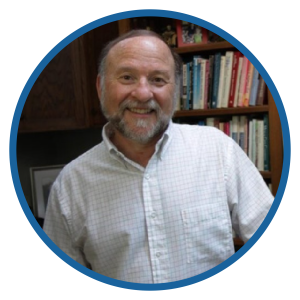
Barry Prizant, Ph.D., CCC-SLP
Dr. Barry Prizant is a speech-language pathologist with more than 50 years experience as a researcher and international consultant for autistic and neurodivergent individuals and their families. He is an Adjunct Professor of Communicative Disorders at the University of Rhode Island and Director, Childhood Communication Services (a private practice). Previously, he served as Associate Professor in the Department of Psychiatry in the Brown University School of Medicine, and held a tenured professor appointment at Emerson College. Publications include 5 books, most notably Uniquely Human: A Different Way of Seeing Autism (2015; 2022) and The SCERTS Model manuals, an educational approach implemented in more than a dozen countries. He has published 150 scholarly chapters and articles and serves on numerous professional advisory boards for journals and professional organizations. Barry has presented more than 1000 seminars and keynote addresses internationally, including two invited presentations at the United Nations for World Autism Awareness Day. His career contributions have been recognized with honors from Brown and Princeton Universities, the Autism Society of America and the American Speech-Language-Hearing Association.
Visit Barry’s website here
Uniquely Human, the book (Updated and Expanded edition!)
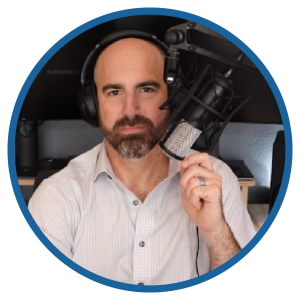
Dave Finch
Dave Finch is the author of the New York Times bestselling memoir, The Journal of Best Practices: A Memoir of Marriage, Asperger Syndrome, and One Man’s Quest to Be a Better Husband. As a writer and creative consultant, his work has appeared on ABC, CBS, NBC, CNN, NPR, SiriusXM, The New York Times, Rolling Stone, The Howard Stern Show, and the award-winning Netflix series, Atypical. Based in Denver, Dave’s company, Elevated Studio, produces this podcast and other recognized series.
Visit Dave’s website here
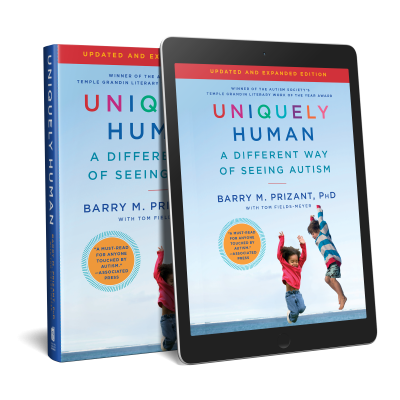
“I have read a million and one books on Autism. Uniquely Human is the best book I have ever read, hands down. Thank you Barry for this incredible gift!!!!”
– Navah Paskovitz, Mother of three boys with Autism, Co-Founder, the Ed Asner Family Center
“Compassion, learning and supportive strategies–the three essentials for working with folks with ASD–are an integral part of this must-read book.”
– Michelle Garcia Winner, Speech Language Pathologist and Founder of Social Thinking
“Thanks be to Barry for the first-ever must read written for parents, educators, and clinicians.”
– Michael John Carley, Founder, GRASP; Author of Asperger’s From the Inside-Out
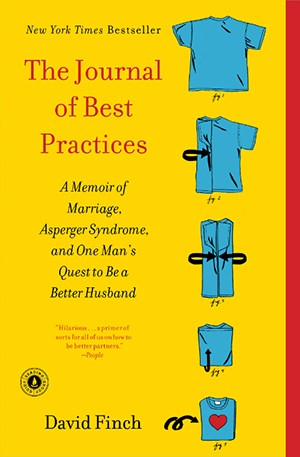
“What makes the book compelling is how funny Mr. Finch is about himself. He’s great company.”
– Susannah Meadows, The New York Times
“In this hilarious memoir (which also gives some of the finest explications of Asperger’s out there), Finch approaches trying to be a better husband and father with the determination of Sherman marching on Atlanta.”
– Judith Newman, People (4/4 stars)
“Talk about being on a roll. This dude wrote a book, he has Asperger’s syndrome. He cured himself by listening to me on the radio!”
– Howard Stern